Designing the Ideal Custom Fresh Boxes: A Progressive Guide
Developing specialized fruit and vegetable boxes requires a deliberate approach. Experts must assess environmental impact, functionality, and visual appeal. Choosing the suitable components is essential for preserving quality and supporting eco-friendly methods. Moreover, dimensions and configuration can significantly impact usability and transport effectiveness. Effective visual elements enhance company recognition, while thorough assessment ensures durability. Grasping these elements will uncover key knowledge into producing remarkable container approaches that appeal to customers. What follows is essential to accomplishing those targets.
Determining the Best Options for Custom Produce Boxes
When considering materials for custom produce boxes, it is important to review both usefulness and sustainability. The selection of material significantly influences the box's strength, weight, and ability to protect the contents. Common materials include corrugated cardboard, which offers strength and is environmentally recyclable, making it a popular choice for eco-conscious businesses. Compostable options, such as molded pulp or plant-based plastics, also support green practices while delivering appropriate protection for delicate produce.
Moreover, moisture resistance is necessary for keeping quality consistent, driving some vendors to assess treated materials or particular protective applications. The visual charm of the box deserves consideration, since brand positioning and graphical elements can shape consumer perception. Ultimately, the appropriate material should balance between protecting the produce, appealing to customers, and adhering to environmental standards, confirming that performance and sustainable practices are emphasized within the design process.
How to Choose Size and Shape for Functionality?
When opting for the form and dimensions of custom produce boxes, thorough evaluation of produce dimensions is essential for effective storage. Additionally, considerations for handling and transport can impact the box structure, ensuring ease of movement. Maximizing shelf space usage further enhances functionality, enabling effective presentation and organization.
Examine Produce Dimensions Carefully
Determining the correct proportions for vegetable containers is vital for smooth operations and productivity. Careful measurement of produce measurements is necessary, as it makes sure that items fit firmly without unnecessary space that might create damage during storage or transport. Made-to-order containers need to handle various configurations, from soft berries to large vegetables, while maintaining robustness. Additionally, the height and width of the boxes should support proper layering and systematic organization, making the best use of space in distribution centers. A quality-built box not only preserves the produce but also boosts market presentation for end customers. Ultimately, meticulous planning of dimensions supports waste prevention and improving customer journey in the product distribution.
Assess the Aspects of Handling and Transport
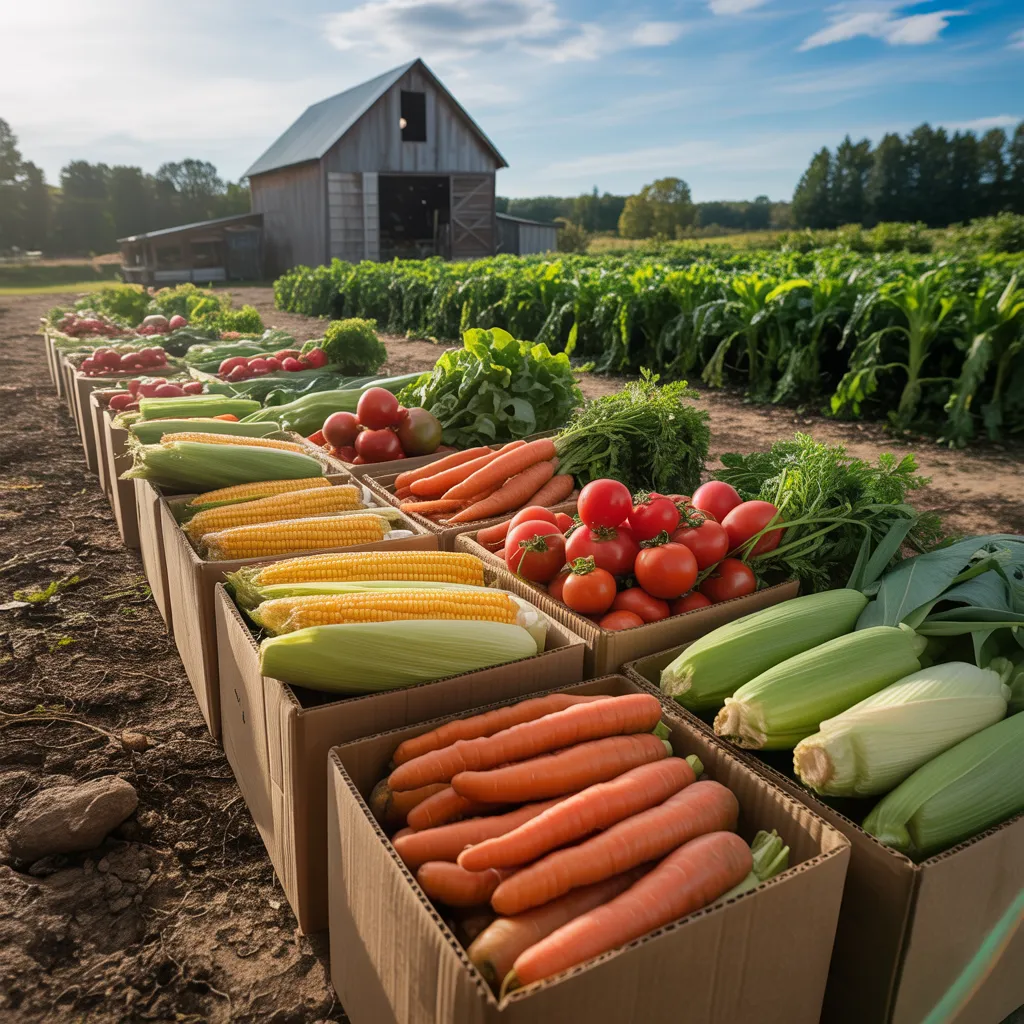
Handling and transport factors play a considerable function in determining the appropriate dimensions and shape of tailored produce packaging. The proportions should accommodate the produce without surplus room, this would result in shifting and deterioration during transit. Compact boxes provide easier handling, whereas larger boxes may become vital when handling bulkier items. Moreover, proper ergonomics is essential; handles or access ports must be deliberately situated so as to allow for pleasant hoisting and moving. The configuration that makes up the packaging also affects nesting along with balance, ensuring where products keep protected. Ultimately, thoughtful review of such considerations boosts the efficiency in transport, lessens product damage, plus preserves the comprehensive quality concerning the produce from orchard reaching consumer.
Maximize Display Space Usage
Proper shelving management is determined by picking the best measurements and configuration of custom produce boxes. Professionals should examine the dimensions of the display racks as well as the kinds of foodstuffs being maintained. Rectangular boxes often advance space efficiency, facilitating for improved stacking and alignment. Yet, distinctive shapes can amplify visual appeal but may produce excess space if not well planned.
It's critical to assess the inventory turnover rate; slow-turning items might benefit from compact, readily accessible boxes. Furthermore, incorporating modular or adjustable designs can enable multiple produce sizes while optimizing display organization. By prioritizing visual appeal combined with practicality, retailers can develop a practical and aesthetically pleasing presentation that boosts both ease of access and promotional impact.
How to Craft Visual Content That Hold Engagement?
Engaging visuals can convert a basic custom produce box into a visual masterpiece that captures interest. To achieve this, designers should start by selecting a color palette that reflects the vitality and vibrancy of the produce. Vibrant, eye-catching colors can inspire sensations of freshness and health, compelling consumers to take a closer look.
Strong typefaces remains equally important; readable typefaces can successfully convey key details while boosting design attractiveness. Moreover, using high-quality images of the goods can form instant engagement, highlighting the item's caliber and enticing potential buyers.
Furthermore, adding unique patterns or illustrations can help distinguish the brand in a crowded market. Uniformity in design elements, such as logos and taglines, strengthens brand identity. Ultimately, a blend of innovation and precision in visual design can greatly enhance the impact of custom produce boxes, making them stand out on shelves.
Green Practices for Custom Produce Box Protective Covering
An rising number of companies are implementing environmentally sustainable practices for custom produce box packaging, recognizing its importance in today's eco-aware market. These approaches often include the use of biodegradable materials, such as recycled paper and plant-based plastics, which reduce environmental impact. Companies are also concentrating on responsible material sourcing, guaranteeing that materials are obtained from responsibly managed forests or suppliers who emphasize environmental stewardship.
Also, many brands are choosing simple approaches that lower waste while still effectively showcasing their products. This strategy not only attracts eco-minded consumers but also assists with cutting production costs. Moreover, businesses are progressively establishing efficient manufacturing processes that limit energy consumption and waste generation. By adopting these sustainable practices, companies not only strengthen their brand image but also contribute positively to the planet, matching their operations with a sustainable future.
Inspect Your Custom Produce Box Design
Testing the layout of personalized vegetable containers is an crucial step in guaranteeing they satisfy both aesthetic and practical requirements. This procedure typically includes assessing factors such as durability, dimensions, and user-friendliness. First, samples should be created to assess the box's structural integrity, ensuring it can endure shipping and keeping without compromising the products.
Afterwards, performance tests can be undertaken to ascertain how readily the boxes can be opened, latched, and nested. Opinions from likely users can be invaluable in this juncture, revealing viewpoints into the box's practicality.
Additionally, the visual impact of the design should be tested through surveys or focus group sessions, assessing consumer reactions to branding elements, color palettes, and total visual presentation.
In the end, comprehensive evaluation permits designers to enhance the box, ensuring it not only attracts customers but also effectively safeguards and displays the produce within, achieving the right balance between form and function.
Effectively Promoting Your Personalized Produce Boxes
Effective advertising of custom vegetable containers requires a well-planned strategy that highlights their distinctive advantages and value. Organizations should prioritize determining their target audience, whether they are local farms, grocery stores, or individual consumers. Harnessing social networking sites can boost brand awareness, showcasing the boxes' design and practicality through compelling visuals and storytelling.
Additionally, establishing partnerships with neighborhood advocates and farming professionals helpful resource can enhance credibility and enlarge reach. Featuring promotions or discounts during peak demand times can capture early customers and encourage repeat business.
Furthermore, emphasizing environmental sustainability and green values in promotional messaging can engage sustainability-focused buyers. Presenting detailed information about the materials used and the advantages of custom packaging can better establish the brand in a saturated marketplace.
In the end, a detailed promotional strategy that integrates digital and neighborhood-level programs will successfully promote custom produce boxes, engaging a diverse clientele and driving sales.
Common Inquiries Asked Regularly
What Costs are Included in Custom Produce Box Customization?
Charges concerning custom produce box design feature materials needed, printing, work hours, and freight. Also, design consultation and order thresholds can determine overall expenses, creating different pricing structures based on unique needs and production size.
What Length of time Is Needed to Make Tailored Boxes?
The production of custom boxes typically requires between two to six weeks. Factors influencing this timeline include intricacy of design, materials availability, and production capacity, all of which can affect shipping timelines and turnaround periods.
Is it Possible to Order a Modest Volume of Custom Produce Boxes?
Yes, small amounts of personalized fruit and vegetable boxes can typically be ordered. Many distributors provide minimum order quantities, permitting enterprises or consumers to obtain tailored packaging options without having to commit to large volumes at the start.
What Frequent Mistakes Should You Avoid When Creating Bespoke Boxes?
Common mistakes in custom box design feature neglecting functionality, disregarding brand consistency, underestimating material quality, overlooking target audience preferences, and neglecting environmental impact. Each aspect is critical for effective packaging and customer satisfaction.
How Can I Make Sure My Boxes Are Safe for Food?
To ensure boxes maintain food-safe standards, individuals must choose compounds approved for food contact, eliminate dangerous inks and adhesives, maintain cleanliness during production, and regularly test for compliance with health regulations and safety standards.